Your Leading Castor Supplier Nationwide.
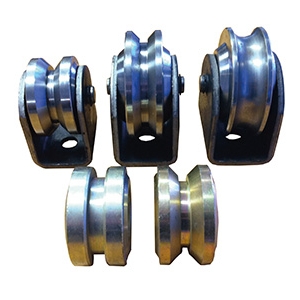
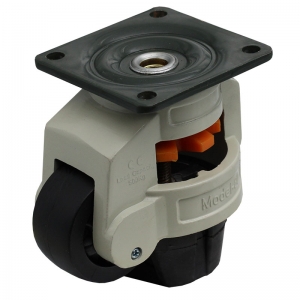
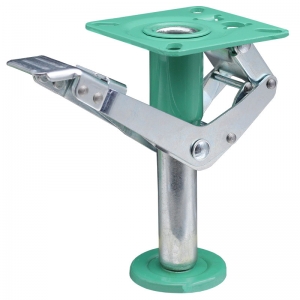
Caslad offers an extensive portfolio of castors for various industries and applications. Designed with durability in mind, from entry level to heavy duty loads.
We have included descriptions, specifications, and images to assist in making an informed purchase decision. You can also visit one of our various showrooms in Cape Town, Johannesburg, KZN and Bloemfontein.
FAQs: Castors
What types of castors does Caslad offer?
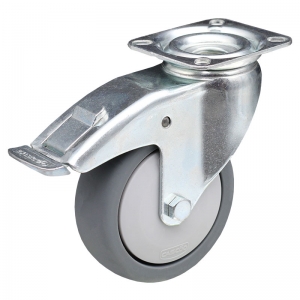
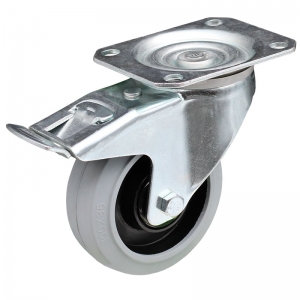
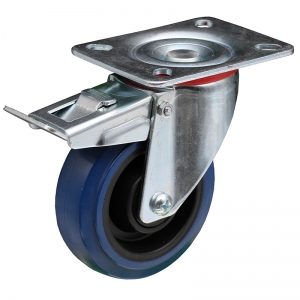
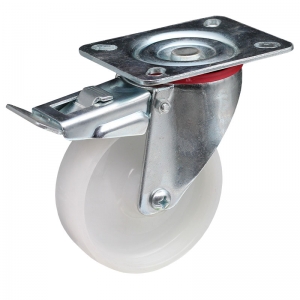
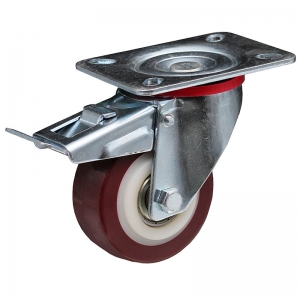
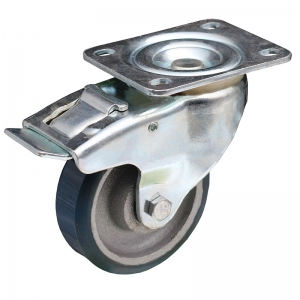
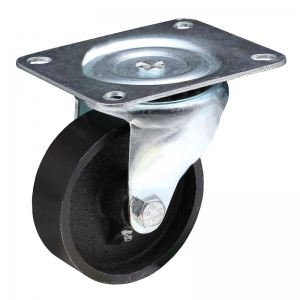
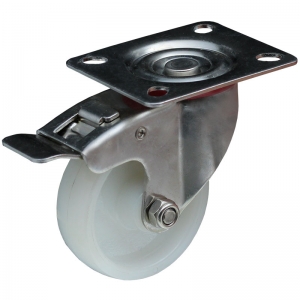
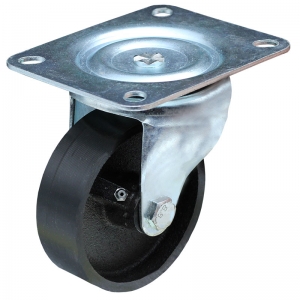
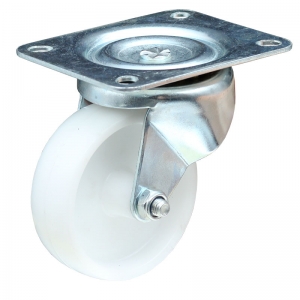
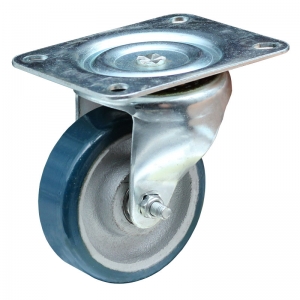
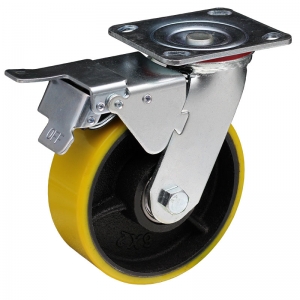
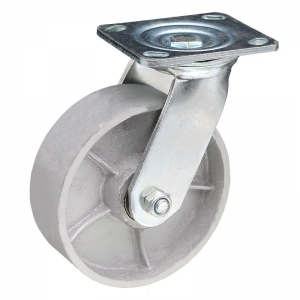
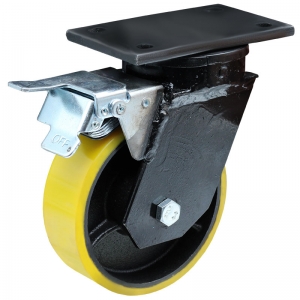
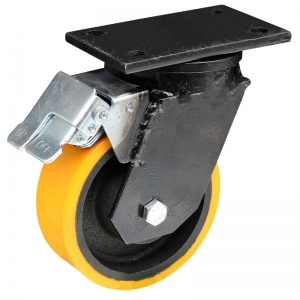
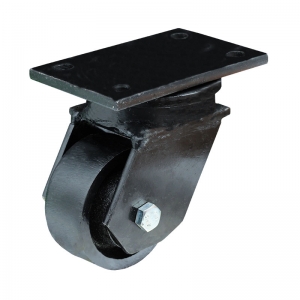
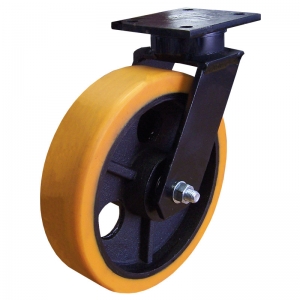
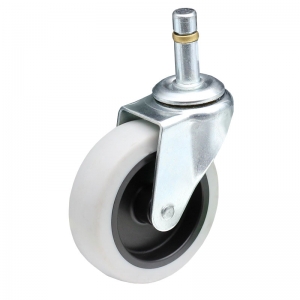
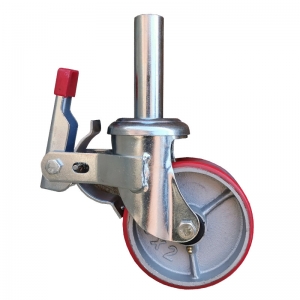
Caslad supplies a wide selection of castors, including swivel and fixed models, brake castors and a variety of wheel materials such as super elastic rubber (SER), polyurethane, nylon, cast iron and pneumatic options. These cover applications from lighter trolleys and equipment carts through to medium and heavy-duty industrial loads.
Why is wheel material important when choosing a castor?
Wheel material affects durability, noise levels, floor protection and performance on different surfaces. For example, super elastic rubber offers good shock resistance, polyurethane provides abrasion resistance with high load capacities and nylon gives a resistance free ride for light to heavy applications on a smooth floor.
What are pneumatic castors and when should they be used?
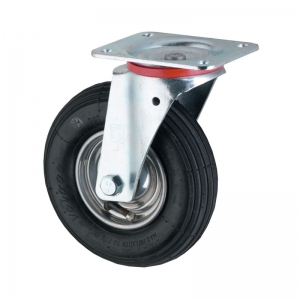
Pneumatic castors have wheels with air-filled tyres that absorb shocks and roll smoothly over uneven or rough surfaces. They are particularly useful outdoors or in environments with debris, thresholds or uneven floors where standard solid wheels may shake or bind.
What load capacities are available in Caslad’s castor range?
Caslad’s castor load capacities vary widely across series: lighter industrial and SER castors support loads from around 90 kg up to 250 kg, medium and heavy-duty polyurethane or cast iron options support 250 kg up to 2000 kg, and extra heavy-duty castor supporting up to 5 000 kg per castor, depending on the model and specification.
What safety features are important in castors?
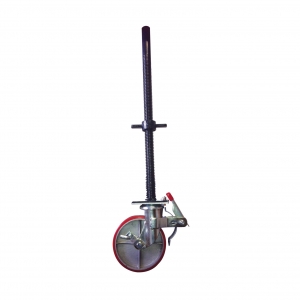
Safety features like integrated brakes and locking castors help secure equipment in place once positioned, reducing the risk of unintended movement. Braked castors are especially important on inclines or when working with heavy loads.
How do I choose the right castor for my equipment?
When selecting castors, consider the total load weight, floor surface, frequency of movement, mobility required (swivel vs fixed) and environmental factors such as exposure to moisture, chemicals or debris. Choosing the correct type helps ensure safe operation and long-term performance.
- Display 82 Products per page
QUICK CONTACT
Email: sales@caslad.co.za
JHB: 011 397 7883
DBN: 031 331 0057
CPT: 021 271 0119
BLOEM: 051 271 0170